Introduction
What makes a temple attract devotees from different parts of India? Is it the story of its origin, its distinctive religious traditions, or the faith that has continued through generations?
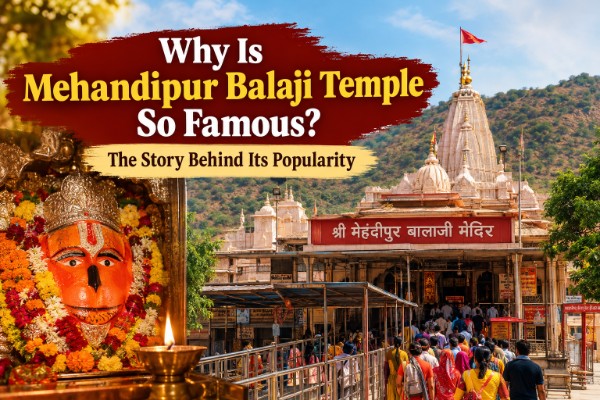
Mehandipur Balaji Temple in Rajasthan is known for all these reasons. Dedicated to Lord Hanuman, the temple has developed a distinctive identity through its traditional stories, devotional practices, and association with Balaji Maharaj, Pret Raj Sarkar, and Bhairav Ji.
For many devotees, visiting this sacred place is more than an ordinary temple visit. It is an opportunity to offer prayers, fulfil religious vows, and experience traditions that are deeply rooted in local faith.
But there is more to the temple's popularity than its reputation. To understand why Mehandipur Balaji Sawamani is so famous, we need to explore its traditional origins, the beliefs associated with its deities, its devotional customs, and the role it plays in the lives of pilgrims.
1. The Traditional Story Behind Mehandipur Balaji
One reason Mehandipur Balaji is widely recognized is the traditional story associated with the appearance of Balaji Maharaj.
According to the temple's official account, Lord Hanuman appeared in his child form at a sacred location between two small hills. The surrounding area is also described in the temple's traditional history as having once been covered by dense forest.
The account connects the early worship of Balaji Maharaj with Gosai Ji Maharaj, an ancestor of the Mahant family. According to this religious tradition, Gosai Ji Maharaj experienced a divine dream that guided him towards the sacred site and inspired him to begin serving the deity.
For devotees, this story explains the spiritual importance of the location and the beginnings of the temple's worship.
The exact details of the temple's earliest origins are not all independently documented with precise dates. Therefore, these accounts are best understood as traditional religious history that continues to shape the temple's identity.
2. Why Is Mehandipur Balaji Different From Other Hanuman Temples?
Lord Hanuman is worshipped throughout India as a symbol of courage, strength, loyalty, and devotion. However, every major pilgrimage destination develops its own traditions and religious identity.
Mehandipur Balaji is particularly known for the distinctive customs associated with its principal shrines and the spiritual concerns that bring many devotees to the temple.
Visitors may come to pray for courage during difficult circumstances, express gratitude, or seek spiritual reassurance according to their religious beliefs.
The temple's traditional practices, its setting between hills, and the stories shared by devotees have helped distinguish it from many other Hanuman temples.
Its popularity is therefore connected not only with the deity being worshipped but also with the particular traditions that have developed around this sacred place.
3. The Three Sacred Presences That Make the Temple Unique
The religious identity of Mehandipur Balaji is closely associated with three important deities.
Balaji Maharaj
Balaji Maharaj is the principal deity of the temple and is worshipped as a form of Lord Hanuman.
Devotees associate him with courage, protection, strength, and unwavering devotion. Many people visit the shrine to offer prayers and seek blessings for themselves and their families.
Pret Raj Sarkar
Pret Raj Sarkar holds an important place in the temple's religious traditions. Devotees understand this figure through the customary beliefs and practices associated with the shrine.
This association is one of the features that has made Mehandipur Balaji widely known among pilgrims interested in its distinctive spiritual traditions.
Bhairav Ji
Bhairav Ji is another important deity associated with the temple. His shrine contributes to the religious practices and identity of the pilgrimage complex.
Together, these three sacred presences are central to the temple's traditional character and help explain why visitors often want to learn about its religious practices before arriving.
4. Why Do Devotees Travel From So Far Away?
Mehandipur Balaji attracts pilgrims from Rajasthan and many other parts of India. For some, the visit is a family tradition. Others travel after making a religious vow or hearing about the temple from relatives and friends.
Several factors contribute to this continuing interest:
-
Faith and devotion: Many visitors come to pray to Balaji Maharaj and express their gratitude.
-
Family traditions: Some families have maintained a connection with the temple across generations.
-
Distinctive religious customs: Visitors are interested in learning about the shrine's established practices.
-
Personal vows: Some devotees visit to fulfil a promise or mark an important event in their lives.
-
Cultural heritage: The temple is an important part of the religious landscape of Rajasthan.
Stories shared between pilgrims have also contributed to the temple's wider recognition. Personal experiences can be meaningful to individuals, although they should not be treated as scientific proof of supernatural claims or as a substitute for medical care.
5. The Temple's Unique Religious Atmosphere
For many first-time visitors, the atmosphere of Mehandipur Balaji is one of the most memorable parts of the pilgrimage.
The sounds of devotional prayers, the movement of pilgrims, the presence of the sacred shrines, and the customs followed by worshippers create a distinctive environment.
Unlike a visit focused only on architecture or sightseeing, a pilgrimage here often involves learning how to participate respectfully in established religious practices.
Visitors should follow the instructions provided by temple authorities, avoid disturbing other worshippers, and check the current guidelines before taking part in any special ritual.
Understanding the customs beforehand can help first-time visitors approach the experience with greater awareness and respect.
6. How the Mahant Tradition Helped Preserve the Temple
A temple's popularity is shaped not only by religious beliefs but also by the people responsible for preserving its traditions and maintaining its facilities.
According to the temple's published history, generations of the Mahant family have served Balaji Maharaj. This continuing tradition has played an important role in maintaining worship at the shrine.
The official account also describes the contribution of Mahant Ganesh Puri Ji Maharaj to the development and rebuilding of the temple complex. In 1965, he entrusted the temple's management responsibilities to Mahant Kishore Puri Ji Maharaj.
As the number of pilgrims grew, the temple complex and its surrounding area continued to develop to accommodate visitors.
This history of service and development helps explain how a traditional place of worship became a widely recognized pilgrimage destination while retaining its distinctive religious identity.
7. The Story Behind Mehandipur Balaji Sawamani
Another important part of the temple's devotional culture is Sawamani.
Sawamani is a food offering made to a deity as an expression of devotion, gratitude, or the fulfilment of a religious vow. Such offerings have a broader place in Hindu worship, although the arrangements and customs can differ from one temple to another.
For many families, arranging a Mehandipur Balaji Sawamani is a meaningful occasion. It may be connected with a personal prayer, a family milestone, or a promise made during a difficult period.
The offering is not simply about arranging food. For devotees, it represents a personal expression of faith and an opportunity to participate in an established religious tradition.
Anyone planning a Sawamani should confirm the applicable offering arrangements and temple guidelines in advance rather than relying on assumptions or unverified online information.
8. Why Is Mehandipur Balaji Associated With Spiritual Relief?
One of the most widely discussed aspects of the temple is its association with prayers for relief from spiritual difficulties.
Many devotees believe that worshipping Balaji Maharaj brings courage, peace, and reassurance during challenging periods. The temple's distinctive traditions have contributed to its reputation as a place where people seek spiritual support.
These beliefs are part of the religious identity of Mehandipur Balaji and help explain why it attracts visitors with different personal concerns.
However, spiritual beliefs and medical evidence are different. People experiencing physical or mental health difficulties should seek qualified healthcare when needed. Religious worship can be personally meaningful, but it should not replace appropriate medical assessment or treatment.
Understanding this distinction allows visitors to respect the temple's traditions while making informed decisions about their wellbeing.
9. Planning Your Visit to Mehandipur Balaji Temple
If you are planning a pilgrimage, preparing in advance can make your experience easier.
Here are some practical points to consider:
-
Check the latest temple timings and visitor instructions.
-
Plan your transport and accommodation before travelling.
-
Allow extra time during busy religious occasions.
-
Ask about the procedure for special offerings before making arrangements.
-
Follow instructions from temple staff and respect the customs followed by worshippers.
-
Verify contact information and payment details before using an online service.
These preparations can help you focus on your visit rather than dealing with avoidable confusion.
10. Mehandipur Balaji Sawamani Online Booking: What to Check
Devotees who wish to arrange a Sawamani offering may search for Mehandipur Balaji Sawamani Online Booking information before their visit.
Before confirming an arrangement, review the service details carefully. Check what is included, whether advance planning is required, and what terms apply to your booking.
For temple-managed services, use the temple's official website to verify the current procedure. If you choose an independent booking assistance provider, confirm its identity and understand that it operates separately from the temple administration.
You can also review the relevant booking information available on our website to understand the service offered before deciding how to proceed.
Taking a few minutes to verify the details can help prevent misunderstandings about payments, offerings, and arrangements.
11. Mehandipur Balaji Sawamani Booking Contact Number
Visitors sometimes search for a Mehandipur Balaji Sawamani Booking Contact Number because they want to ask questions before travelling or arranging an offering.
It is important to distinguish between an official temple contact and the contact details of an independent service provider.
For official temple enquiries, consult the contact information published on the temple's official website. If you contact an independent booking assistance service, confirm its services, charges, and terms directly before making a payment.
Do not assume that every number appearing in search results or on third-party websites belongs to the temple administration.
Verifying contact details through a reliable source is a simple but important step when making pilgrimage arrangements.
12. What Makes Mehandipur Balaji's Popularity Continue Today?
The continued popularity of Mehandipur Balaji can be understood through the connection between religious tradition, family faith, pilgrimage, and community.
The temple's traditional origin story gives devotees a narrative about its sacred beginnings. Its three principal religious presences contribute to its distinctive identity. The Mahant tradition has helped preserve worship practices, while generations of visitors have carried stories of their pilgrimages back to their communities.
The growth of visitor facilities has also made it possible for more people to plan their journeys.
Rather than having a single explanation for its popularity, Mehandipur Balaji represents several interconnected aspects of religious life: devotion, shared traditions, cultural heritage, and the personal meaning people find in pilgrimage.
Frequently Asked Questions
1. Why is Mehandipur Balaji Temple so famous?
Mehandipur Balaji is famous for its devotion to Lord Hanuman, its traditional origin stories, its association with Balaji Maharaj, Pret Raj Sarkar, and Bhairav Ji, and its distinctive religious practices.
2. Where is Mehandipur Balaji Temple located?
The temple is located at Ghata Mehandipur in Dausa district, Rajasthan, India.
3. What is the story behind Mehandipur Balaji Temple?
According to the temple's traditional account, Balaji Maharaj appeared in his child form at a sacred location between two hills. The story also connects the early worship of the deity with Gosai Ji Maharaj and the Mahant family tradition.
4. Who are Balaji Maharaj, Pret Raj Sarkar, and Bhairav Ji?
They are three important sacred presences associated with the temple. Balaji Maharaj is worshipped as a form of Lord Hanuman, while Pret Raj Sarkar and Bhairav Ji have important roles in the temple's religious traditions.
5. What is Mehandipur Balaji Sawamani?
Sawamani is a devotional food offering made to a deity. Devotees may arrange it as an expression of gratitude, devotion, or the fulfilment of a religious vow.
6. Where can I find Mehandipur Balaji Sawamani Online Booking information?
You can review the booking information available on relevant service websites. For temple-managed arrangements, confirm the latest details through the official temple website.
7. How can I verify a Mehandipur Balaji Sawamani Booking Contact Number?
Consult the official temple website for temple enquiries. If you contact an independent service provider, verify its identity and confirm its terms before making a payment.
8. Is Mehandipur Balaji Temple suitable for a first-time visitor?
Visitors can plan a respectful pilgrimage by checking the current temple guidelines, arranging travel in advance, and following the instructions provided by temple authorities.
Conclusion
Why is Mehandipur Balaji Temple so famous? Its popularity comes from the combination of traditional stories, devotion to Lord Hanuman, distinctive religious customs, and the continuing service of generations associated with the shrine.
For many devotees, the temple is a place to express faith, fulfil religious vows, and remain connected with family and community traditions. For first-time visitors, learning about its history and customs provides a better understanding of why the shrine holds such an important place in Rajasthan's religious landscape.
Whether you are researching the temple or preparing for a pilgrimage, approach its traditions respectfully and verify practical information through reliable sources before making arrangements.

