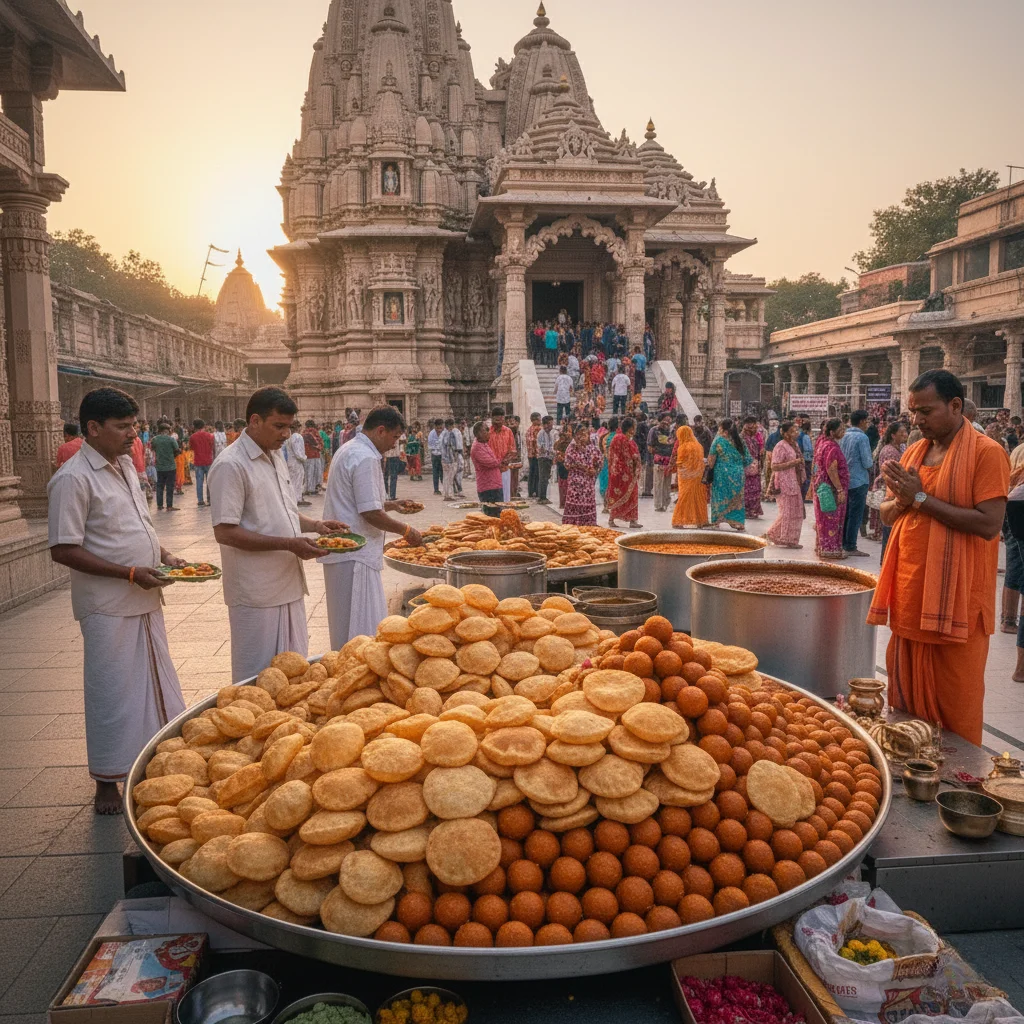
If this is your first Sawamani, not knowing what to expect on the day can add unnecessary stress to what should be a meaningful, fairly straightforward moment. Here's a clear walkthrough of the process, from arrival to completion, based on how the ritual typically unfolds. If you haven't yet arranged your visit, you can book your Sawamani ahead of time so the day itself is simpler and you're not sorting out logistics while trying to focus on the ritual.
Before the Ceremony
Most devotees arrive with their chosen offering already arranged based on the package selected. If you haven't already looked through the options, it's worth reading Sawamani rituals and pooja packages so you know what you're arriving with. Arriving with your booking confirmed means you're not spending the first part of your visit sorting through options — you can focus on the reason you're actually there.
On arrival, there's usually a short period where details are confirmed against your booking — your chosen package, preferred timing, and any specific requests you may have made when booking. This step is quick if your booking was arranged in advance and confirmed clearly.
During the Offering
The core of the Sawamani is the presentation of the food offering, accompanied by prayer. The specifics — how it's arranged, what prayers are recited, how long the process takes — depend somewhat on the scale of the package chosen. A standard Sawamani moves at a fairly steady, unhurried pace; a larger offering like Chhappan Bhog naturally takes longer, simply given the volume and variety involved in the presentation.
Throughout, the atmosphere tends to be more personal than performative. Devotees are usually focused on the moment itself rather than on ceremony for its own sake — this isn't a scripted show, it's closer to a quiet, structured act of thanks. Understanding why devotees choose this particular ritual helps explain why the tone feels the way it does — it's rooted in gratitude for something already resolved, not in asking for something uncertain.
After the Ritual
Once the offering is complete, Prasad is typically distributed, both to those present and, depending on the arrangement, taken home by the devotee. For many, this is also the point where the visit shifts from active ritual to quiet reflection — some stay a while longer at the temple grounds, others begin their return journey fairly soon after.
Frequently Asked Questions
How long does the full process take?
It varies by package size, but a standard Sawamani generally takes a few hours from arrival to completion. Larger offerings like Chhappan Bhog can take longer given the additional preparation involved.
Do I need to bring anything specific with me?
If you've booked in advance, most of the arrangement is handled for you as part of the package. Any specific items you're expected to bring will be communicated clearly during confirmation, so there's nothing to guess at.
Conclusion
Knowing the shape of the day ahead of time makes it much easier to focus on the ritual itself rather than the logistics around it. If you're planning your visit, it's worth checking the best time to visit for Sawamani before you finalise your date, so both the timing and the ceremony itself go as smoothly as possible.
Footer
About Shree Shiv Misthan Bhandar
We provide Sawamani booking assistance and customer support for devotees visiting Shree Mehandipur Balaji Dham in Dausa, Rajasthan. We are an independent service provider and are not affiliated with the temple administration.
- Explore Sawamani packages: /services
- Book now: /booking
- Call or WhatsApp: +91-9521762864


